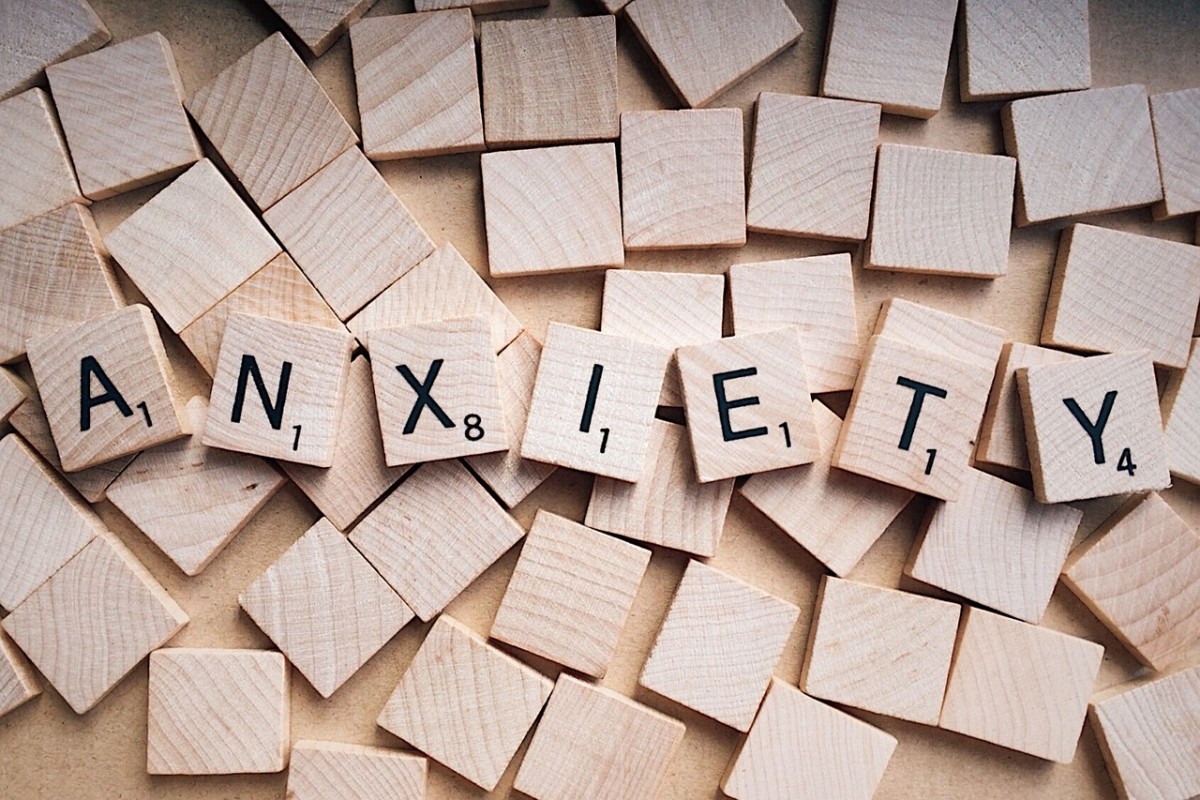
How to Deal with People with Passive Aggressive Behaviors


Passive aggressive behaviors must be dealt with because sooner or later it will lead to a much more serious problem. It is very important to point out here that most people hardly really stop and think about it. This is because they tend to picture passive aggressive behaviors as a more severe problem that involve shooting and killing.
They do not realize that it could come in a more subtle form that goes undetected most of the time. This is even truer for the person that having the problem himself. There are passive passive aggressive behaviors, hostility manifesting in name-calling, and outright violence. All of these can be categorized as aggressive behavior, but they differ in severity and the level of risk involved.
One of the best techniques to deal with people with passive aggressive behaviors is to make sure that you do not reinforce it with your own behavior. In other words, to not react but responding with your intelligence. This always involved a bunch of different anger management techniques. One of the old but effective technique is counting to 10 (some people count it backwards). This technique can defuse passive aggressive behaviors at ninety percent most all the time, turning potentially dangerous situations into harmless inconveniences.

Besides, learning to spot 
Think about the people you are around, and how violence adverse they are. If you're with people who hate getting into fights and will do anything to avoid a physical conflict, you don't really have to worry about aggressive behavior as much. If you're around people for whom fighting is no big deal, however, you might want to change your environment even if things seem pleasant enough.
Nowadays, there is a lot of research done about children and aggression. The link between video games and passive aggressive behaviors is a constant subject of debate. Some people think that it really doesn't matter what video games you play. They believe that aggressive children are aggressive not because of the entertainment they watch, but because they don't have enough healthy outlets as well. Other people argue that a lot of the movies and video games in media only reinforce impulse control and anger management issues that are already present in our society. Wherever you stand on this debate, it is not likely to go away soon.
Dealing with Passive Aggressive Behaviors Problem


People with passive-aggressive behaviors often show hostility and aggression in passive ways, and mostly they never seem to be a huge problem. Their aim is to resist job and social demands, using the common excuse that they “forgot” while demonstrating a negative attitude as to why they were late. Criticizing authority figures and failing to do their share of the work or not doing it at all are common behaviors of this disorder.
This person isn’t aware of their own self-defeating behaviors because they are simply a part of their personality. You can call those behaviors as habit because they somehow has controlled over their critical thinking.
He or she often feels others make unreasonable demands of them, but believes that they are doing a much better job than the credit they are given. Aggressive behavior or passive-aggressive behavior is displayed in varying degrees, and there are common signs of the personality disorder that help identify the behaviors.
People with passive-aggressive personality disorder tend to show signs like ambiguity, blaming others, chronic dilatory nature, forgetfulness, complaining, making excuses, lying, procrastination, resentment, sarcasm, and stubbornness, and inability to express anger or hostility openly.
These are only the most identifiable behaviors, and all of them may not be present, just as other traits may be, such as avoiding responsibility or fear of intimacy. How aggressive behaviors change over time is influenced by the stability of the home and the strength of or conversely the lack of cohesiveness throughout the interpersonal relationships within the family unit.

According to the famous child psychologist, Dr. Spock, infants are born with instincts for self-preservation that show up as what we label as aggressive behaviors. The may cry angrily when they are hungry or uncomfortable, and as they grow and mature they learn to channel these feelings constructively; it’s when children don’t learn to manage their emotions well that passive aggressive behaviors can emerge.
It's kind a hard to deal with people with passive aggressive behaviors because of their reluctance in complying with recommendations. It's even harder when they do not believe that they are indeed having such problem. In such cases, they are unaware of the impact of their behaviors towards others, and when confronted wit it, they become dismayed and fail to see how they could have provoked such a negative response from their friends or family members.
The goal of individual therapy is convince the patient that their unconscious feelings of negativity are being expressed passively onto everyone around them. The level of success reached through treatment varies for each individual because it’s greatly dependent on the effectiveness of the therapies used and the severity of their problem.
For more information on personality disorders visit the National Alliance on Mental Illness at www.nami.org.
Would you like to write for HubPages?
Do you have a passion? Or perhaps something that you are very good at and that you want to share it with others? If that's so, why not express your thoughts with writings and have them published on HubPages? HubPages is a great place to share your opinions and thoughts, which at the same time earning you passive income. There are actually few different ways to earn money, and there are many hubs and threads that explain exactly how to do this for you, in simple but yet thorough explanation. HubPages is a great community to meet new friends and hubbers.
Sign Up Today with HubPages for free and be part of the community that contributes to a better world!